Source Modern Office CPU Holder for Home Office School
Compare 30 listings for the modern office cpu holder with adjustable heights and mounting options. Buyers can evaluate steel and aluminum models suitable for home, office, and school environments with varying MOQs and customization availability.
Key considerations
Products List










Comprehensive Sourcing Guide
Strategic Sourcing Guide for Modern Office CPU Holders
Understanding Product Definitions and Core Specifications
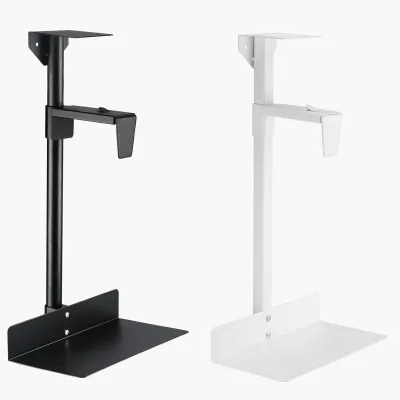
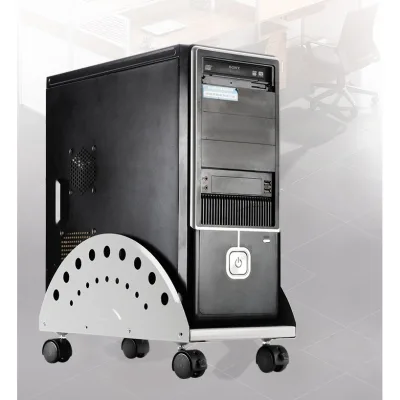
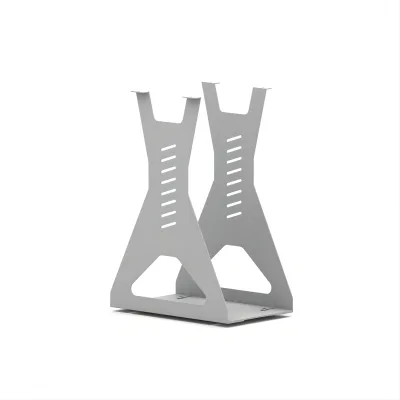
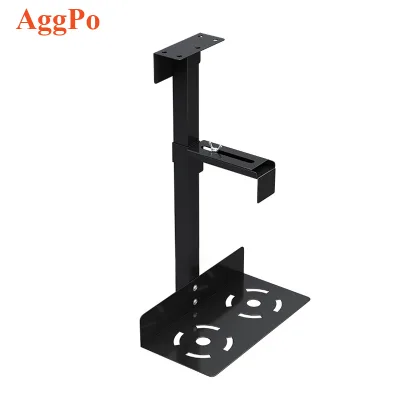
When sourcing a modern office CPU holder, buyers must first distinguish between the broad category of computer hardware accessories and the specific functional requirements of mounting solutions. The product market offers a variety of configurations, ranging from simple under-desk brackets to complex swivel mechanisms. Based on current market observations, the core product is often identified as a "CPU holder" or "Hanging CPU Holder," designed specifically to store computer central processing units under a desk to save space. These units are frequently categorized under "Other Furniture Hardware" and are intended for general use in home offices, office buildings, and educational institutions.
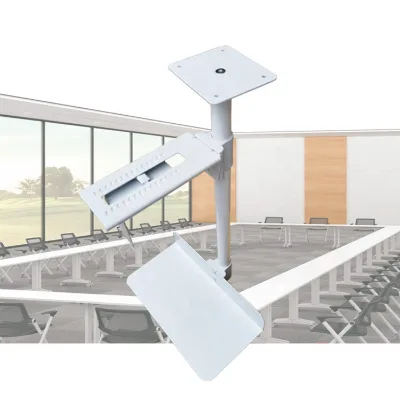
The physical construction of these holders varies significantly by model. Material composition is a primary differentiator, with observed listings citing Steel, Iron, and Aluminum Alloy as the dominant materials. Some units combine Iron and Aluminum Alloy to balance structural rigidity with weight reduction. The design style often aligns with modern or European aesthetics, featuring finishes in Black or White, though specific color availability depends on the manufacturer's current inventory. A critical technical specification to verify is the mounting type. Suppliers typically offer "Top mount" or "Side mount" configurations, allowing for flexibility in desk integration. Additionally, the structural form may be described as a round tube (swivel) or a square tube (normal), which dictates the rotational capability and aesthetic profile of the installed unit.
Dimensional precision is essential for compatibility with existing office furniture. Observed specifications indicate a range of adjustability, with some models offering an adjustable height range of 100-470mm and an adjustable width of 130-215mm. The base size for certain heavy-duty models is recorded at 300160mm, while the top mounting interface may be as compact as 11090mm. Single package dimensions often approximate 30x30x30 cm, and the product weight can vary, with specific models noted at 5.87 pounds or a single gross weight of 1.000 kg. Buyers should treat these figures as observational data points rather than universal standards, as model numbers such as XF-483 and XF-129 indicate distinct engineering designs with unique load-bearing and dimensional profiles.
Technical Performance and Load Capacity
The functional integrity of a CPU holder relies heavily on its load-bearing capacity and stability. A primary technical metric for evaluation is the bearing capacity, which determines the maximum weight the holder can safely support without structural failure or excessive sagging. Market data suggests that specific models are engineered to support a load range of 0-30kg. This capacity is sufficient for standard desktop computer towers, which typically weigh between 5kg and 15kg, providing a necessary safety margin. However, for heavier industrial-grade workstations or specialized equipment, buyers must verify the specific load rating of the selected model against the actual weight of the hardware to be mounted.
Stability is further influenced by the base design and the mounting mechanism. The "swivel" feature, available in round tube configurations, allows for dynamic positioning, enabling users to rotate the CPU holder for easier access or cable management. In contrast, "normal" or square tube models offer a fixed position, which may be preferred for permanent installations where space optimization is the sole priority. The adjustability of the unit, such as the 100-470mm height range, allows for customization based on desk thickness and user preference, ensuring the CPU is suspended at an optimal height for ventilation and accessibility.
It is crucial to note that while some specifications list a single package size of 30x30x30 cm, the actual assembled dimensions of the product may differ. The standard product size is sometimes described as 15.75"Lx11.8"Wx2.56"H, which likely refers to the footprint of the mounting plate or a specific component rather than the total extended height. Buyers should request detailed assembly diagrams to understand the full spatial requirements. Furthermore, the material choice directly impacts performance; Aluminum offers a lighter profile with good corrosion resistance, while Steel and Iron provide higher tensile strength for heavier loads. The combination of Iron and Aluminum Alloy in some models attempts to leverage the benefits of both, offering a robust frame with reduced overall mass.
Compliance, Certification, and Material Standards
In the B2B procurement of office furniture hardware, verifying compliance and material standards is a critical risk mitigation step. While specific certification bodies are not universally mandated for all CPU holders, buyers should look for evidence of quality management systems. Observed data points to the existence of ISO certifications, specifically noted as "ISOColor:Maple" in some contexts, which may refer to a specific quality standard or a misinterpretation of a color code within a certification document. Regardless of the specific label, the presence of an ISO certification indicates that the manufacturer adheres to international management standards for quality and consistency.
Material composition is another area requiring strict verification. The market lists Steel, Iron, and Aluminum as primary materials. Buyers must ensure that the materials used meet safety standards for office environments, particularly regarding fire resistance and toxicity. For instance, aluminum and steel should be free from harmful heavy metals if they are to be used in schools or hospitals, as these environments often have stricter environmental and health regulations. The "mail packing" attribute, which varies between "Y" and "N" across different listings, suggests that packaging standards are not uniform. This variability implies that buyers should explicitly request packaging specifications to ensure the product arrives without damage, especially given the single package size of 30x30x30 cm and the potential for shipping damage to metal components.
Origin and manufacturing location also play a role in compliance. A significant portion of the supply chain originates from China, with specific mentions of Guangdong as a production hub. While this location is a major manufacturing center, it necessitates a thorough due diligence process regarding labor standards and export compliance. Buyers should verify that the supplier can provide necessary documentation, such as material safety data sheets (MSDS) or factory audit reports, to ensure the products meet the import regulations of the destination country. The "Product Origin" being listed as China does not inherently imply non-compliance, but it does require the buyer to be vigilant about verifying the specific factory's adherence to international trade standards.
Cost Drivers and Pricing Dynamics
The pricing of modern office CPU holders is influenced by a complex interplay of material costs, manufacturing complexity, and order volume. The observed price range in the market spans from $0.20 to $300.00 USD. This wide disparity is not indicative of a single product type but rather reflects the diversity of the category, from basic single-item units to heavy-duty, multi-component systems. The lower end of the spectrum likely corresponds to simple, single-piece holders made from standard steel or iron with minimal customization. Conversely, the higher price points may reflect units with advanced features such as swivel mechanisms, premium aluminum alloys, or complex adjustable systems.
Minimum Order Quantity (MOQ) is a significant driver of unit cost. The market observes an MOQ range from 1 piece to 5000 pieces. Suppliers offering an MOQ of 1 piece typically cater to small businesses or individual buyers, often at a higher per-unit cost to cover setup and handling fees. In contrast, suppliers with an MOQ of 50 pieces or higher can offer more competitive pricing due to economies of scale. The "Selling Units" attribute indicates that many transactions occur as single items, but bulk purchasing power remains a key lever for cost reduction. Buyers should negotiate based on their projected volume, as the "Supply Ability" of some manufacturers reaches 19,999 pieces per week, suggesting that large orders can be fulfilled efficiently without significant lead time delays.
Customization is another factor that impacts cost. The attribute "Customization: Available" and "Customized: Customized" suggests that buyers can request specific colors, dimensions, or branding. While this adds value, it inevitably increases the unit price and may extend the lead time. The "Sample: Available" attribute indicates that suppliers are willing to provide prototypes, which is a standard practice for custom orders. Buyers should budget for the cost of samples, which may be higher than the bulk unit price, and factor in shipping costs for these initial evaluations. Additionally, the "Port of dispatch" being Guangzhou Port implies that logistics costs will be influenced by freight rates from this specific region, which can fluctuate based on global shipping conditions.
Supplier Evaluation and Selection Criteria
Selecting the right supplier for modern office CPU holders requires a systematic evaluation of their capabilities, reliability, and product range. The brand name "Xiong Feng" appears in the market data, serving as an example of an established manufacturer. However, buyers should not limit their search to a single brand but rather evaluate suppliers based on a set of objective criteria. The first criterion is the "Supply Ability," which indicates the manufacturer's capacity to meet demand. A supplier with a weekly output of nearly 20,000 pieces demonstrates a robust production line capable of handling large corporate orders.
Secondly, buyers must assess the supplier's flexibility regarding customization and order size. The presence of "Customization: Available" and a wide MOQ range (1-5000) suggests that many suppliers can accommodate both small and large orders. However, the specific MOQ for a given model, such as 50 pieces for the "Hanging CPU Holder," must be confirmed before placing an order. Buyers should also verify the "Sample: Available" status to ensure they can test product quality before committing to a bulk purchase. The ability to provide samples is a strong indicator of a supplier's confidence in their product and their willingness to engage in a transparent procurement process.
Geographic location and logistics are also critical factors. With the "place of origin" listed as Guangdong, China, and the "Port of dispatch" as Guangzhou Port, buyers should consider the logistics chain. Guangzhou is a major logistics hub, which generally ensures efficient shipping, but buyers must verify the specific lead times and shipping terms. The "Product Weight" and "Single package size" are essential for calculating freight costs. A supplier that provides accurate weight and dimension data, such as a single gross weight of 1.000 kg and a package size of 30x30x30 cm, facilitates more accurate logistics planning. Finally, buyers should evaluate the supplier's responsiveness to inquiries and their ability to provide detailed technical documentation, including assembly instructions and material specifications.
Quality Control and Long-Term Procurement Strategy
Ensuring the long-term reliability of modern office CPU holders requires a robust quality control (QC) strategy. Given the mechanical nature of these products, QC should focus on structural integrity, finish quality, and functional performance. Buyers should request evidence of load testing, specifically verifying that the holder can sustain the claimed 0-30kg bearing capacity without deformation. The "Feature" of storing computer CPUs under the desk to save space must be validated through physical inspection of the assembled unit. The "Adjust height" and "Adjust width" mechanisms should be tested for smooth operation and durability, ensuring they do not loosen over time.
Material quality is another critical QC checkpoint. The use of Steel, Iron, and Aluminum Alloy must be verified to ensure that the materials are not prone to rust or corrosion, especially in humid office environments. The "Color" options of Black and White should be inspected for consistency and durability, as poor paint finishes can peel or fade. The "Product Weight" of 5.87 pounds for specific models should be consistent across batches, indicating uniform material density and manufacturing precision. Buyers should also check the "prod_packing" method, which is listed as "Carton," to ensure that the packaging provides adequate protection during transit.
For long-term procurement, buyers should establish a relationship with suppliers who offer consistent quality and reliable lead times. The "Application" of these holders in Home, Office, School, Hospital, and Hotel environments suggests a broad market appeal, but it also implies that the product must meet diverse standards. A supplier with a "Supply Ability" of 19,999 pieces per week is well-positioned to support long-term contracts. Buyers should also consider the "Customization" aspect as a long-term strategy, allowing for brand alignment and specific functional requirements. By maintaining a clear record of product specifications, such as the "model number" and "size," buyers can ensure consistency in future orders. Finally, buyers should monitor the "Standard" of the product, ensuring it meets the required dimensions and performance criteria for their specific office layout.
FAQs
What materials are used for modern office cpu holders?
Modern office cpu holders are constructed from steel, iron, or aluminum alloy. Some models combine iron and aluminum to balance strength with weight reduction, ensuring stability for computer towers in home or office environments.
How much weight can a modern office cpu holder support?
Specific models support a bearing capacity ranging from 0 to 30 kilograms. This load limit is generally sufficient for standard desktop computer towers, though buyers should verify the exact rating for heavier industrial equipment.
Can I customize the size of a modern office cpu holder?
Customization is available for these products, allowing adjustments to dimensions and finishes. Buyers can request specific configurations, though this may affect the minimum order quantity and lead time for the custom batch.
What is the minimum order quantity for modern office cpu holders?
The minimum order quantity varies significantly, ranging from 1 piece to 5000 pieces depending on the supplier. Single-item purchases are possible, but bulk orders often unlock more competitive pricing and supply chain efficiency.
Where are modern office cpu holders manufactured?
These products originate from China, with specific manufacturing hubs located in Guangdong. The port of dispatch is typically Guangzhou, which facilitates efficient logistics for international shipments to various global destinations.
How do I mount a modern office cpu holder under a desk?
Mounting options include top mount or side mount configurations for flexible desk integration. Some designs feature swivel mechanisms with round tubes, while others use fixed square tubes for stable, permanent installation.